

In English, the word "China" refers both to this ancient oriental country and to porcelain. This alone proves that this exquisite craft is deeply intertwined with China’s identity, and has been recognized and cherished by the world for thousands of years.
Porcelain is far more than just tableware or decoration. It is a carrier of Chinese history, wisdom and aesthetics, born from the fusion of nature, technology and art. For more than two thousand years, Chinese artisans have poured their heart and soul into every piece, transforming ordinary clay into works of art that cross oceans and connect cultures. Today, let us explore the charm of Chinese porcelain and uncover the secrets behind its status as an eternal symbol of Chinese culture that captivates people worldwide.
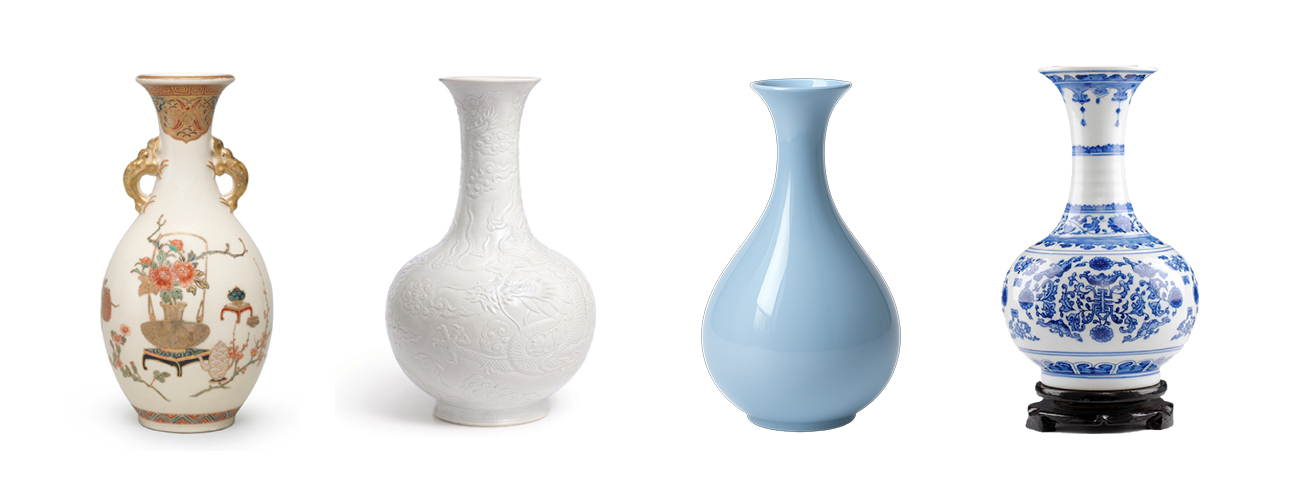
The Song Dynasty marked the golden age of Chinese porcelain, celebrated for its simplicity and elegance. Song Dynasty white porcelain was pure, translucent and smooth as jade, with minimal ornamentation, highlighting the inherent beauty of the material. Its celadon porcelain featured soft, clear hues as gentle as misty rain in the Jiangnan region, reflecting the Song people’s pursuit of restraint and tranquility. The famous Ru kiln celadon, with its sky-blue glaze and sparse star-like air bubbles, is hailed as a treasure in the history of porcelain, with only a small number of pieces surviving today.
During the Yuan Dynasty, blue and white porcelain emerged and became an iconic type of Chinese porcelain. With a white base and blue patterns, it is simple yet vivid, integrating the elegance of Chinese painting with the practicality of daily utensils. The blue pigment used in Yuan blue and white porcelain, known as sumali blue, was imported from the Middle East, lending the patterns a rich, vibrant colour. From flowers, birds, fish and insects to figures and landscapes, every design on blue and white porcelain tells a Chinese story. Even today, it remains the most beloved style of Chinese porcelain among foreigners, found in many museums and households overseas — a classic symbol of oriental aesthetics.
The Ming and Qing dynasties witnessed the heyday of Chinese porcelain. Alongside blue and white porcelain, wucai (five-colour porcelain), famille rose, coloured glaze porcelain and other varieties flourished. Famille rose, which appeared in the late Kangxi period of the Qing Dynasty, is famous for its soft, bright colours, delicate patterns and strong sense of layering. Its hues are as vivid as fresh flowers, and its patterns as exquisite as paper paintings, demonstrating the superb skill of Chinese porcelain painting.
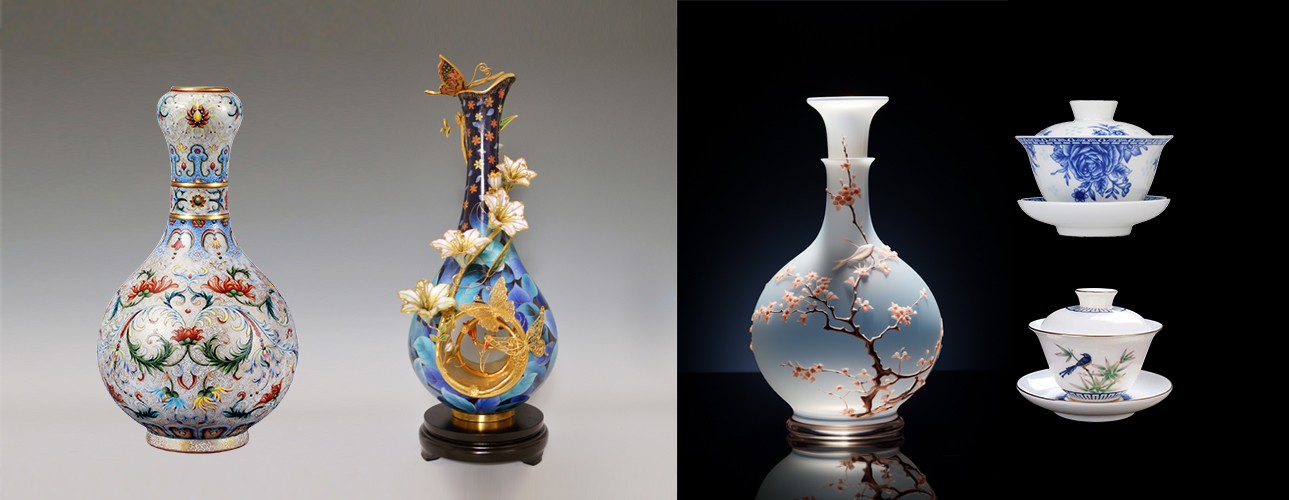
Export porcelain boomed during this period. Artisans blended Western aesthetics with Chinese styles to create pieces deeply favoured in Europe. Examples such as "Batavia porcelain" and "Kangxi export porcelain" were custom-made for overseas markets, combining Chinese cultural elements with Western decorative styles, serving as an important bridge for Sino-foreign cultural exchange.
Porcelain embodies the Chinese philosophical concept of "harmony between man and nature". Its materials — clay, water, fire and glaze — are all gifts of nature. Chinese artisans do not forcefully alter the innate nature of materials, but infuse them with human wisdom, making porcelain a perfect union of nature and craftsmanship. This philosophy of harmony is a vital part of Chinese culture, passed down unchanged for thousands of years.
Having weathered a thousand years of history, Chinese porcelain has spread from the imperial palaces of ancient China to homes around the globe. It is a bridge between Eastern and Western cultures, a symbol of Chinese civilization, and a shared treasure of all humanity. We believe that in the future, Chinese porcelain will continue to astonish the world with its unique charm, allowing more people to understand, appreciate and fall in love with Chinese culture, and experience the beauty of Eastern civilization.